
This article is for informational purposes only.
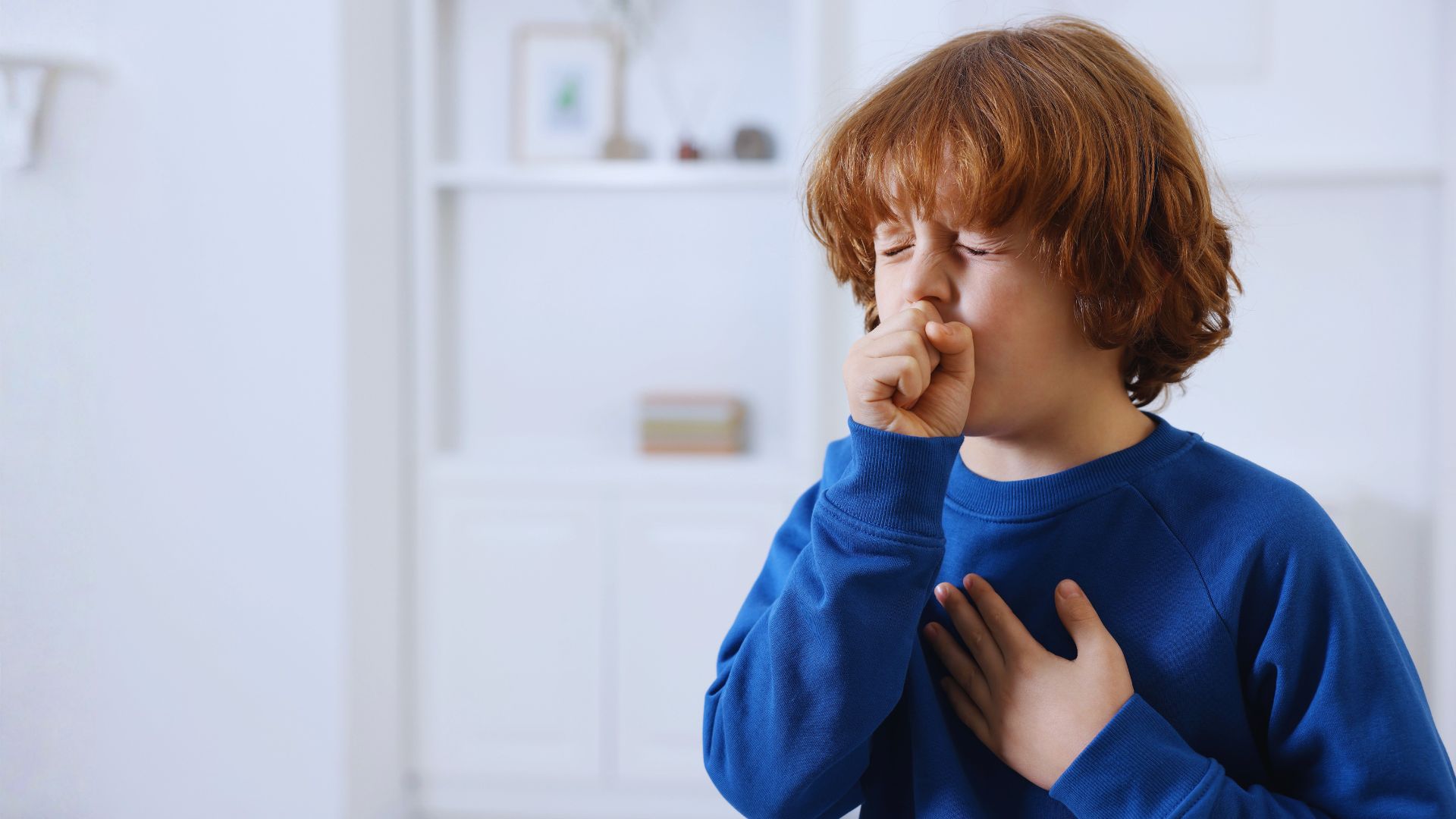
Coughing is one of those symptoms that comes up constantly in children. Young children are in close contact with their peers all day while their immune systems are still developing - infections, especially viral ones, come with the territory. But when does a cough stop being routine? And could it be the start of asthma?
There's rarely just one answer. In most cases, knowing the cause is what makes effective treatment possible — and sometimes it's what allows you to ease the symptoms in the meantime. When a cough appears, many parents reach for an over-the-counter syrup. But what if nothing changes?
With adults, we can describe our own symptoms. With children, especially younger ones, that feedback loop is much harder. What we can do is understand what commonly triggers respiratory problems in kids.
Common causes include:
There are many possible causes of a persistent cough - which is exactly why a visit to a specialist matters. Come prepared: describe any other symptoms you've noticed, how long the cough has been going on, and what you've already tried.
Wheezing should always get your attention. So should a cough that follows physical activity and is then followed by audible straining to clear the throat. A night-time cough that wakes your child up - or keeps the whole household from sleeping - is equally worth taking seriously.
When it happens, try to work out whether it's a dry cough or a wet one. Talk to your child about how they feel. Take their temperature. And pay attention to when the cough tends to come on - and whether there's a tight feeling in the chest alongside it.
Asthma isn't easy to diagnose. Many children are treated for other conditions before anyone connects the persistent cough to asthma. The sooner it's identified, the sooner the right treatment can start — and the less impact it has on how the respiratory system develops. A chronic cough has many possible causes, which is part of why getting to the right answer takes time.
Can wheezing be a symptom of asthma in children? Not always in the form you'd expect. In children, unlike in adults, the most common presenting symptom is actually difficulty breathing rather than a distinctive wheeze [1]. Which raises the question: if it's not asthma, what is it?
Frequent coughing is something many parents eventually just accept. But they shouldn't. Yes, children get sick often — that's part of growing up. There's still a real difference between a cough that comes with a short fever and a cough that simply won't go away.
But what about a child who coughs every night? Or every morning? Or who can't get through the day without coughing fits? For many parents, the night-time cough hits hardest — because that's when the house is quiet enough to hear it. And it's hard to ignore. A cough that disrupts sleep does real harm, regardless of age.
First, check whether anything else is going on. A night-time cough can point to conditions far more serious than a cold — acute subglottic laryngitis (croup), whooping cough, gastroesophageal reflux, post-nasal drip, sinusitis, or even bronchial asthma. It's never something to brush off, especially when it's been going on for a while.
Ask your doctor which home remedies are safe and when to use them - it's easy to reach for something that seems harmless and end up making things worse. It's also worth knowing that a cough without a fever can be triggered by air quality: smog, cigarette smoke, poorly ventilated rooms. Don't smoke around children.
Sleeping position matters too - a night-time cough can be caused by mucus draining toward the throat. With your doctor's go-ahead, herbal teas or chest compresses can help. Inhalations are also well worth trying, as they make it easier for children to clear mucus.
Even over-the-counter expectorants should be discussed with a doctor before use [2]. A specialist will get to the root of it faster than trial and error at home. For older children, spirometry may be recommended - it's used when a cough comes alongside difficulty completing a full, forced expiration [3].
Any sign of illness is harder to read in a baby. Infants can't tell you something is wrong. Keeping an eye out and acting when something doesn't seem right — that's entirely on parents.
If the cough keeps coming back, don't wait to see a doctor. If it passes quickly, a respiratory infection is the likely cause — just as it would be in an adult.
Parents often can't tell just from watching whether an infant's cough is serious. That's exactly what a doctor is for. In most cases, the recommendation will be saline inhalations through a nebuliser — a straightforward way to make breathing easier. Watch whether the cough gets worse when the baby is lying flat: if it does, nasal secretions are likely draining toward the throat.
Whether the cough is wet or dry, it can come on suddenly in babies. If it's accompanied by a high fever or noticeable difficulty breathing, contact a doctor as soon as possible — or call an ambulance if it seems serious.
So why do babies cough? The causes of chronic cough vary by age. In infants specifically, the first step is always to rule out developmental abnormalities of the respiratory system [4]. But more often than not, it comes down to an infection that clears up within a few days.
Cigarette smoke is also a common trigger. Make sure your baby's environment is suitable: ventilate the room regularly — taking the baby elsewhere while you do — and keep the air properly humidified. If the cough doesn't improve, watch closely for any signs of deterioration. And if things get worse, see a specialist.
Want to monitor your child's breathing between doctor visits? StethoMe detects abnormal lung sounds at home — the same way a doctor does, but available every day.
Learn about StethoMe

